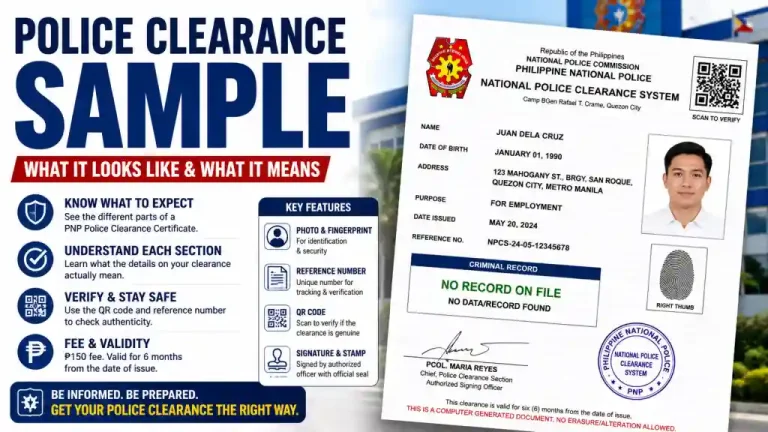
Importance of Police Clearance for Immigration
The immigration process can be hard to understand as it often requires a variety of documents and permissions to move from one country to another. One of the most significant requirements in the Philippine immigration system is police clearance. This document plays a crucial role in the application process and can be used for multiple purposes.
This blog will provide a complete guide on the importance of police clearance for immigration in the Philippines, exploring its relevance, application process, and the significance of police clearance beyond immigration.
What is a Police Clearance?
A police clearance is an official document issued by the Philippine National Police (PNP) or other authorized organizations. It certifies to the fact that a person has been cleared of any past criminal offenses and that they are not currently facing any pending criminal cases.
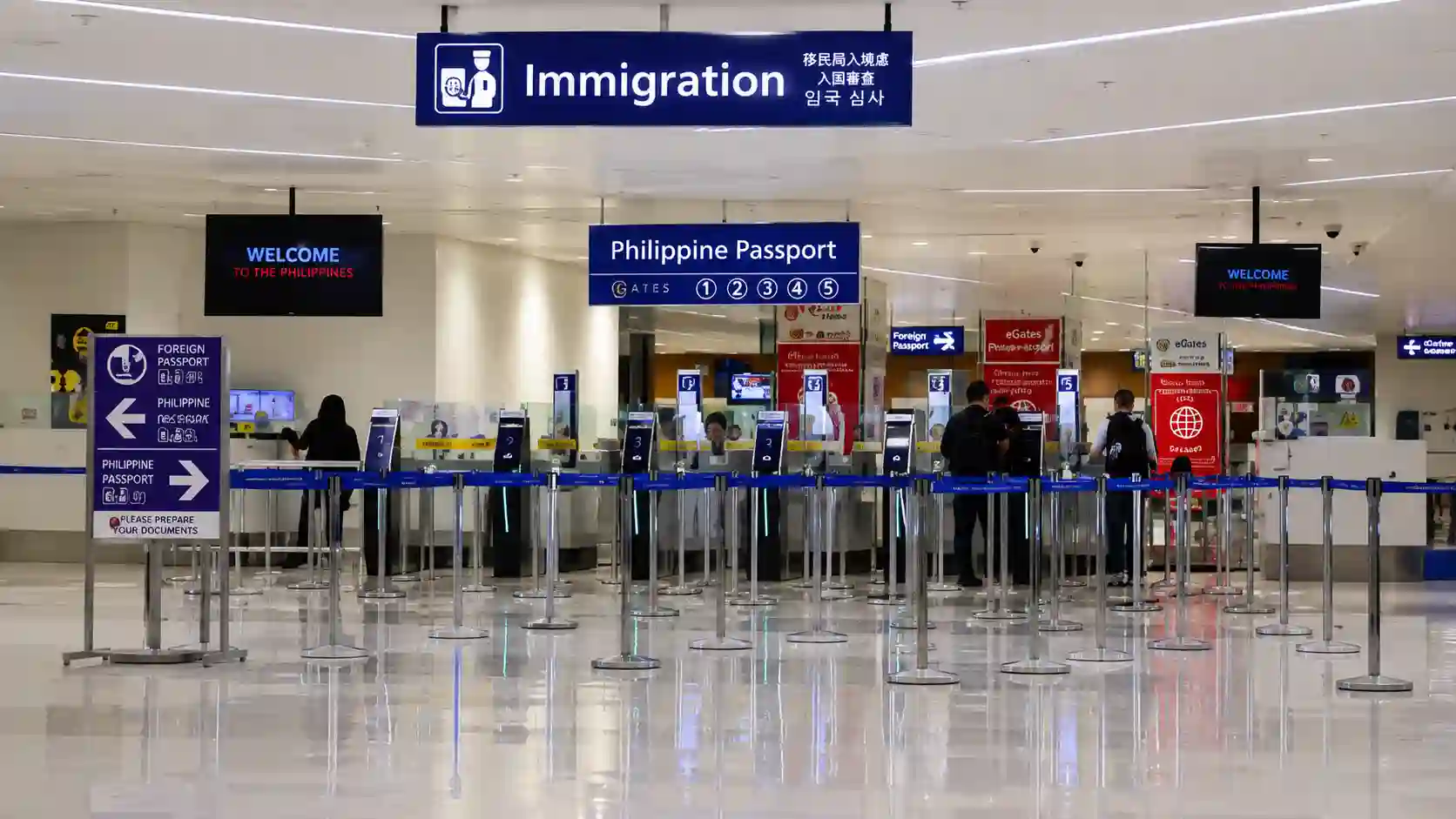
Purpose of Police Clearance
The main goal of a police clearance is providing a background check that shows a person’s criminal history (or absence thereof). This document is necessary for many legal and administrative procedures, including immigration applications.
Why Police Clearance is Crucial for Immigration
1. Legal Requirement
Obtaining a police clearance is not only recommended, but required for many immigration applications. Authorities frequently need evidence of your criminal history when you apply for a work visa, tourist visa, or residency permit.
For instance:
2. Background Check
An essential part of the background investigation that immigration authorities conduct is police clearance. This clearance evaluates an applicant’s criminal past to assist officials in deciding whether they are suitable for entrance or residency.
3. Security Concerns
Police clearance serves as a safeguard in the context of national security. It assists in ensuring that those entering the nation don’t endanger public safety.
4. Promoting Transparency and Accountability
The police clearance process contributes to a culture of transparency and accountability. It encourages individuals to be aware of their actions and the consequences they may have on their future. By requiring applicants to undergo a background check, it fosters a sense of responsibility among potential immigrants.
How to Obtain a Police Clearance for Immigration
Obtaining a police clearance for immigration is a straightforward process, you have to follow the steps described below:
- Gather Required Documents:
- Valid government-issued ID (e.g., passport, driver’s license).
- Accomplished application form (available at police stations).
- Recent passport-sized photographs.
- Go to your local police station or the PNP office selected for police clearance applications.
- Submit the required documents along with your application form.
- Fees vary by location but generally range from PHP 150 to PHP 300.
- Complete biometric capture as part of the verification process.
- Typically, police clearance takes about 3 to 5 days to process, but it can vary based on the location.
- Fees vary by location but generally range from PHP 150 to PHP 300.
- Fingerprinting:
- Complete biometric capture as part of the verification process.
- Typically, police clearance takes about 3 to 5 days to process, but it can vary based on the location.
- Typically, police clearance takes about 3 to 5 days to process, but it can vary based on the location.
Tips for a Smooth Application Process
Importance of Police Clearance Beyond Immigration
Beyond immigration purposes, police clearance is often required for:
When is Police Clearance Required in The Immigration Process?
In the Philippines, a Police Clearance is generally required during the immigration process for several purposes, including:
- Visa Applications: Certain visa types, such as work or residency visas, may require a Police Clearance to ensure that the applicant has no criminal record.
- Naturalization: Individuals applying for Philippine citizenship typically need to submit a Police Clearance to prove good moral character.
- Permanent Residency: Applicants for permanent residency often need to provide a Police Clearance as part of the documentation process.
- Work Permits: Foreign nationals applying for work permits may also need to present a Police Clearance as part of their application.
Frequently Asked Questions
FAQ
Conclusion
One of the most important steps in the Philippine immigration process is getting a police clearance. In addition to meeting legal requirements, it also improves an applicant’s reputation, protects public safety, and makes the processing of immigration applications proceed more smoothly. Applicants can greatly increase their chances of a successful immigration experience by realizing the significance of this document and taking the necessary steps to obtain it.